Understanding the Glasses SVG Cut File: A Practical Guide for DIY Creators
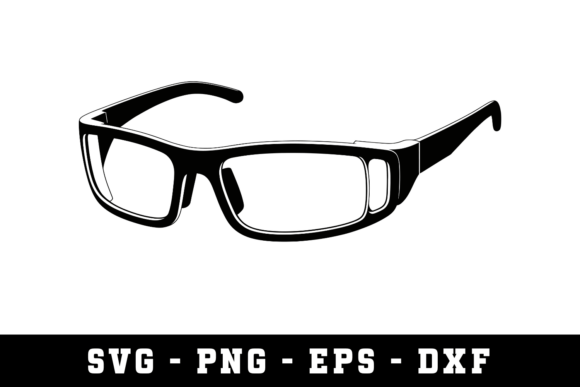
In the expanding world of digital crafting, finding the right design assets is crucial for both hobbyists and small business owners. The Glasses Svg Svg Cut File has emerged as a versatile resource for those looking to add a touch of personality or professionalism to their projects. Whether you are designing custom apparel, home décor, or promotional items, understanding the nuances of this specific file type can significantly impact the quality of your final product. This article explores what makes these files distinct, how they compare to other formats, and when they represent the best choice for your creative workflow.
What Defines a High-Quality Glasses SVG?
At its core, an SVG (Scalable Vector Graphics) file is a vector image format that uses XML-based text descriptions to define shapes and paths. Unlike raster images such as JPEGs or PNGs, which are made of pixels, SVGs are resolution-independent. This means a Glasses Svg Svg Cut File can be scaled up to the size of a billboard or down to a tiny ornament without losing any clarity or sharpness. For crafters using cutting machines like Cricut or Silhouette, this scalability is essential. It ensures that the intricate lines of eyeglass frames—whether they are classic aviators, modern cat-eyes, or playful sunnies—cut cleanly without jagged edges.
What distinguishes a premium glasses SVG from a generic one often comes down to node optimization and layer organization. A well-designed file will have clean paths with minimal anchor points, making it easier for cutting software to process. Additionally, many high-quality listings include multiple variations within a single ZIP folder, offering different styles of eyewear to suit various demographics and design aesthetics. This variety allows creators to tailor their products to specific niches, from retro enthusiasts to modern minimalists.
Comparing File Formats: SVG, PNG, EPS, and DXF
When purchasing digital cut files, you will often encounter a bundle containing SVG, PNG, EPS, and DXF formats. Understanding the role of each format helps in deciding how to best utilize the Glasses Svg Svg Cut File in your projects.
- SVG: This is the preferred format for most modern cutting machines and web design. It retains editability, allowing you to change colors, separate layers, and resize without quality loss. It is ideal for T-shirts, vinyl decals, and paper crafts.
- PNG: A raster format with a transparent background. While not scalable like vectors, PNGs are perfect for sublimation printing on mugs and tumblers where a fixed resolution is acceptable. They are also useful for digital mockups and social media graphics.
- EPS: A professional vector format widely used in Adobe Illustrator and CorelDRAW. If you are a graphic designer who needs to heavily modify the glasses design—such as altering the frame thickness or combining it with complex typography—the EPS file provides the deepest level of editing control.
- DXF: Originally developed for CAD software, this format is compatible with older versions of cutting software or specific industrial plotters. It serves as a reliable backup if SVG compatibility issues arise.
The inclusion of all four formats in a single download offers flexibility. For instance, you might use the SVG for a vinyl T-shirt design and the PNG for a sublimated mug, maximizing the utility of a single purchase. This multi-format approach is particularly beneficial for handmade business owners who produce diverse product lines.
Practical Applications and Product Ideas
The versatility of the Glasses Svg Svg Cut File extends across a wide range of materials and end products. Here are some practical applications where these designs excel:
- Apparel and Textiles: Vinyl cuts from SVG files adhere well to cotton and polyester blends. Glasses designs are popular for optometrist offices, book clubs, or "smart" themed party shirts. The clean lines of vector graphics ensure that small details, like the hinges of the glasses, remain intact after washing.
- Home Décor and Wood Signs: When creating wood signs using stencils or painted vinyl, the durability of the SVG path is critical. A well-optimized glasses SVG can be used as a stencil for painting or as a direct vinyl application on wooden plaques, adding a whimsical or sophisticated touch to living spaces.
- Drinkware: For mugs and tumblers, the PNG format included in the bundle is often used for full-color sublimation, while the SVG can be used for monochrome vinyl wraps. This allows for mixed-media approaches, such as a vinyl frame with a sublimated pattern inside the lenses.
- Paper Crafts and Cards: The precision of SVG files makes them ideal for intricate paper cutting. You can create layered greeting cards where the glasses frame is one layer and the lenses another, adding depth and dimension to handmade stationery.
These examples illustrate that the value of the file lies not just in the image itself, but in how adaptable it is to different manufacturing methods. A design that works for a vinyl decal may need adjustment for a laser cutter, but having access to the vector source file allows for these necessary tweaks.
Evaluating the Fit: When to Choose This Resource
Deciding whether a Glasses Svg Svg Cut File is the right choice for your project depends on several factors, including your equipment, skill level, and intended use.
Best-Fit Situations:
- You own a digital cutting machine (Cricut, Silhouette, Brother) and need ready-to-cut designs.
- You are running a small business and need consistent, high-quality assets for multiple product types.
- You require scalability for projects ranging from small stickers to large wall decals.
- You want the ability to customize colors and layers to match specific brand palettes or seasonal themes.
Limitations and Alternatives:
If you do not have access to vector editing software or a cutting machine, a standalone PNG might be more straightforward for simple print-on-demand services. However, PNGs lack the flexibility for resizing and color manipulation. Additionally, if you are looking for highly photorealistic 3D renderings of glasses, a 2D SVG will not suffice. In such cases, 3D modeling files or high-resolution photography would be more appropriate.
Another consideration is the complexity of the design. Some glasses SVGs feature extremely thin lines or intricate patterns that may be difficult to weed (remove excess vinyl) or cut on certain materials. It is advisable to review the preview images and file specifications to ensure the design complexity matches your material capabilities. For example, cutting intricate details on heat transfer vinyl requires a higher degree of precision than cutting on cardstock.
Technical Considerations: Unzipping and File Management
One common hurdle for new users is accessing the files after purchase. Most digital downloads, including the Glasses Svg Svg Cut File, come compressed in a ZIP folder to reduce file size and keep related formats organized. To access the contents, you will need decompression software.
On Windows, you can right-click the ZIP file and select "Extract All" to unzip the contents into a accessible folder. Mac users can simply double-click the ZIP file, and the system will automatically extract it. For more advanced management, free tools like 7-Zip or WinZip offer additional features for handling large batches of files. Once extracted, you will see the individual SVG, PNG, EPS, and DXF files ready for import into your design software.
Proper file management is key to maintaining an efficient workflow. Organizing your downloaded SVGs into folders by theme or project type can save significant time when you are ready to create. Many creators also recommend backing up their digital libraries to cloud storage to prevent data loss.
Making an Informed Decision
The Glasses Svg Svg Cut File represents a valuable asset for anyone involved in digital crafting. Its strength lies in its versatility, scalability, and compatibility with a wide range of tools and materials. By understanding the differences between the included formats and recognizing the best-use scenarios, you can leverage these files to enhance your DIY projects or expand your product offerings.
Before purchasing, consider your primary use case. If you need flexibility and high-quality cuts, the SVG format is indispensable. If you prioritize ease of use for sublimation, the PNG component adds significant value. Ultimately, the right choice depends on aligning the file's capabilities with your creative goals and technical resources. With careful selection and proper usage, these digital assets can streamline your production process and elevate the professional quality of your handmade items.