Mastering the Purple Truck and Dansor SVG for Professional DIY Results
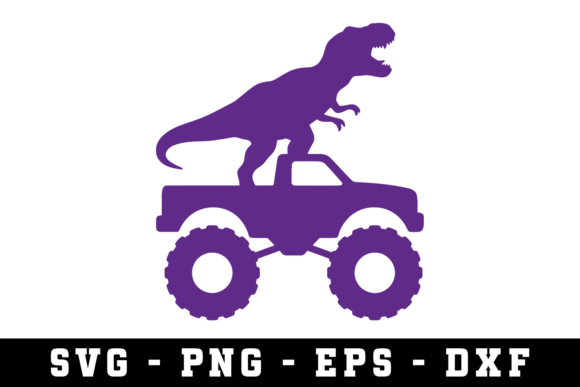
The intersection of nostalgia and modern crafting has created a vibrant niche for vehicle-themed designs, and few motifs capture this spirit quite like the classic pickup truck. When you integrate a Purple Truck and Dansor Svg into your creative workflow, you are tapping into a design aesthetic that resonates with rural charm, vintage appeal, and contemporary color trends. However, possessing the digital file is only the first step. Many creators, from seasoned small business owners to enthusiastic weekend hobbyists, stumble not because they lack talent, but because they overlook the technical nuances of vector graphics. Understanding how to properly utilize these files can mean the difference between a product that looks amateurish and one that commands a premium price.
Understanding the Versatility of the Design
Welcome to my shop SVG Cut File is perfect for all your DIY projects or handmade business product lines. You can create T-shirts, Wood Signs, Mugs, Tumblers, Ornaments, Cards, Party Décor, and more for yourself and others. This versatility is the primary selling point, but it is also where many users make their first critical error: assuming one size fits all applications. A design that looks crisp on a large wood sign may lose its integrity when shrunk down for a tumbler wrap if the original nodes are not optimized. The Purple Truck and Dansor Svg is engineered to be scalable, but scalability requires an understanding of line weight and detail density.
For instance, when applying this design to fabric via heat transfer vinyl (HTV), intricate details can become difficult to weed or may peel after washing if the bridges between elements are too thin. Conversely, when using the file for sublimation on mugs, the resolution of the accompanying PNG file becomes paramount. Relying solely on the SVG for raster-based printing without checking the DPI (dots per inch) can result in pixelated edges, undermining the professional quality of your final product.
Common Pitfalls in File Management and Preparation
One of the most frequent frustrations new users encounter involves the initial download process. This listing includes a ZIP folder containing the following formats SVG PNG EPS DXF. If you are unfamiliar with compressed files, you might attempt to open the ZIP file directly in your cutting software, which will result in an error. This is not a defect in the file; it is a standard method for bundling multiple formats to ensure compatibility across different platforms like Cricut Design Space, Silhouette Studio, Adobe Illustrator, and CorelDRAW.
FAQ Q How do I unzip the files A To unzip the files, you will need software such as WinZip or 7-Zip. You can download this software for free from their websites. Once you have installed the software, right-click on the zip file and select “Extract All” or “Extract Here”. You will then see the files in a folder. Skipping this extraction step often leads to corrupted data reads or missing layers. Furthermore, failing to organize these extracted files into a dedicated project folder can lead to version control issues, where you accidentally edit an old copy or lose track of which format works best for specific machines.
Misunderstanding Vector vs. Raster Formats
A significant misunderstanding revolves around when to use the SVG versus the PNG. The SVG (Scalable Vector Graphics) is ideal for cutting machines because it uses mathematical paths rather than pixels. This allows you to resize the Purple Truck and Dansor Svg infinitely without losing quality. However, some users attempt to import the SVG into photo editing software intended for raster images, leading to unexpected rendering issues. On the other hand, the PNG format is essential for sublimation or direct-to-garment printing where color gradients and solid fills are required without cut lines. Using the SVG for a print-only job without converting it properly can result in transparent backgrounds appearing white or black, depending on the printer’s default settings.
The EPS and DXF formats serve specialized roles. EPS is preferred by professional graphic designers using Adobe Illustrator, while DXF is often necessary for older versions of Silhouette Studio that do not support SVG imports. Ignoring these distinctions limits your market reach. If you plan to sell digital downloads yourself, providing only one format excludes customers who rely on specific software ecosystems.
Optimizing for Material and Machine Efficiency
Efficiency in production is directly tied to how well you prepare your file before sending it to the cutter. A common mistake is neglecting to "weld" or "union" overlapping paths in the Purple Truck and Dansor Svg. If the truck bed overlaps the cab in the design file, the cutting machine may attempt to cut through the same area twice. This not only doubles the cutting time but can also tear delicate materials like adhesive vinyl or thin cardstock. Always inspect the path structure in your design software. Removing duplicate nodes and ensuring continuous lines reduces wear on your blade and speeds up production.
Another overlooked detail is the orientation of the design relative to the material grain. When creating wood signs, the direction of the cut can affect how cleanly the vinyl adheres to the textured surface. For the Purple Truck and Dansor Svg, aligning the longest continuous lines with the grain of the wood or the weave of the fabric can enhance durability. Additionally, when working with multi-layered designs, registering each layer accurately is crucial. Misalignment by even a millimeter can make the text illegible or distort the truck’s proportions, ruining the visual balance.
Strategic Application for Business Growth
For entrepreneurs, the value of this asset extends beyond a single project. The ability to quickly adapt the Purple Truck and Dansor Svg for seasonal campaigns—such as adding holiday elements to the truck bed or changing the color scheme for brand awareness—provides a competitive edge. However, consistency is key. Ensure that the color codes used in your digital proofs match the physical materials you have in stock. A purple that looks vibrant on screen may appear muddy on certain vinyl brands. Always perform a test cut and press on scrap material before committing to a full production run.
Moreover, consider the end-user experience. If you are selling physical goods, the ease of application matters. Complex weeding requirements can increase labor costs and reduce profit margins. Simplifying the design slightly for smaller items, like ornaments or cards, can maintain the aesthetic appeal while drastically reducing production time. This strategic adjustment allows you to offer a wider range of price points, appealing to both budget-conscious consumers and those seeking high-end décor.
Final Checks Before Production
Before finalizing any project involving the Purple Truck and Dansor Svg, take a moment to review the following checklist. First, verify that the file has been correctly extracted and is accessible. Second, choose the appropriate format for your specific tool—SVG for cutting, PNG for printing. Third, inspect the design for overlapping paths and weld them if necessary. Fourth, perform a test run on scrap material to check for weeding ease and adhesion. Finally, ensure that the scale of the design is appropriate for the item, maintaining legibility and visual impact.
By addressing these technical and practical considerations, you transform a simple digital download into a reliable component of your creative toolkit. The Purple Truck and Dansor Svg offers a charming, versatile foundation for your projects, but its true potential is unlocked through careful preparation and informed execution. Avoiding these common pitfalls ensures that your final products reflect the quality and professionalism that customers expect, fostering trust and encouraging repeat business.